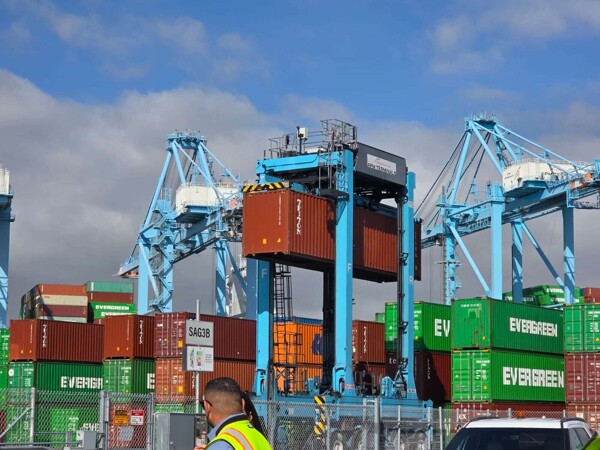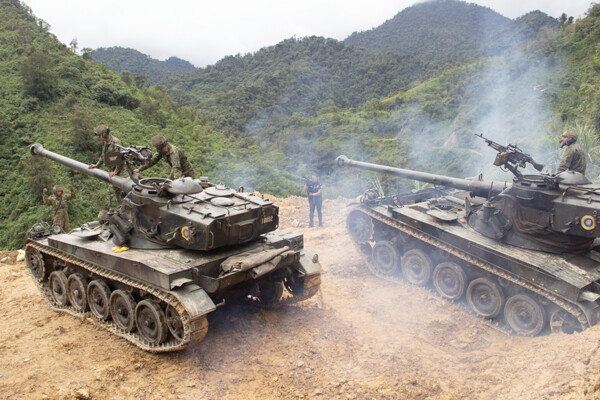
The president of Ecuador, Daniel Noboa, has decreed a new state of emergency for 60 days to combat organized crime, covering nine of the country's 24 provinces, as well as four municipalities in three other districts. Among the jurisdictions affected by the measure are the capital Quito and Guayaquil, the two largest cities in the country, which together have a population of about 7 million out of a total of around 18 million in the Andean nation. During this state of emergency, fundamental rights such as the inviolability of the home and correspondence will be suspended, allowing the police and armed forces to enter homes without prior judicial authorization and to intercept communications. Additionally, the armed forces will be deployed to carry out operations against criminal organizations in coordination with the police. The decree was issued on the eve of the three-day Easter holidays in Ecuador, when millions of Ecuadorians are traveling to other parts of the country. Coastal provinces most affected. The provinces under this measure are mainly located on the country's coast, where criminal activities are concentrated, primarily drug trafficking aimed at sending large quantities of coca, mainly produced in Colombia, to Europe and the United States. This is the case of Esmeraldas, bordering Colombia, and El Oro, bordering Peru, as well as Guayas, Manabí, Santa Elena, Los Ríos, and Santo Domingo de los Tsáchilas. To these are added Pichincha, where Quito is located, and the Amazonian province of Sucumbíos, which also borders Colombia, where the Ecuadorian Armed Forces recently conducted military operations with the collaboration of the United States to allegedly destroy camps of the 'Comandos de la Frontera,' a dissident group of the disbanded Revolutionary Armed Forces of Colombia (FARC).