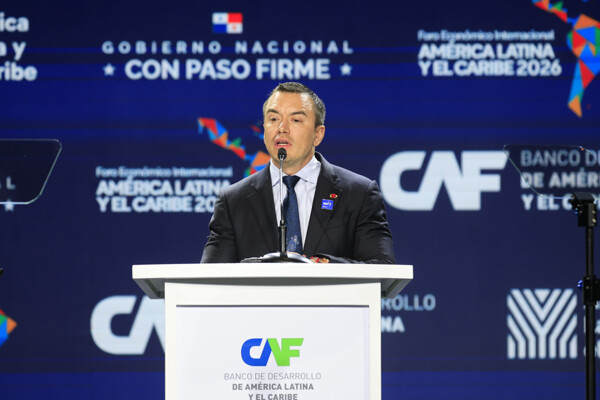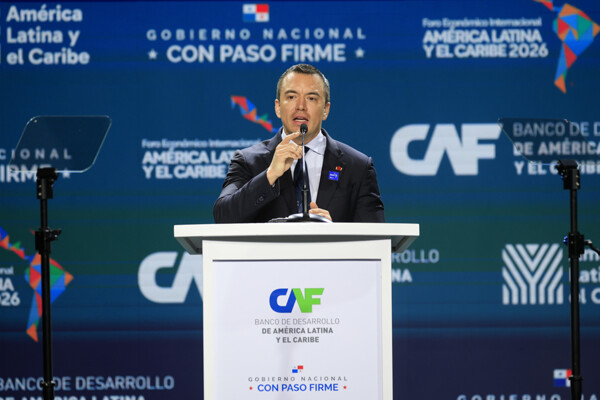
Ecuador will then join the several countries that have already left behind 'progressive thievery'—that minefield of massive corruption that, two decades ago, Hugo Chávez, Néstor Kirchner, Luiz Lula da Silva, Evo Morales, and Rafael Correa popularized with UNASUR. In Ecuador, Daniel Noboa has called a referendum to decide on important policies—constitutional and pension reform, the establishment of foreign (US) bases in his territory, etc.
He has also been forced to modify his lax stance towards native criminal cartels due to the strong public backing that the tough operation carried out by the Governor of Rio de Janeiro against the Comando Vermelho received, which cost 132 lives.
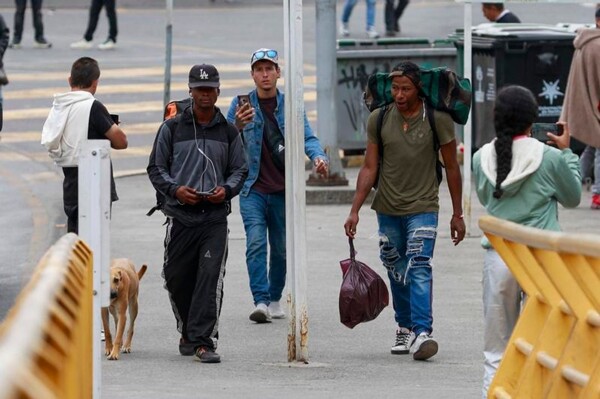
Nicolás Maduro and Diosdado Cabello are seeking some form of dialogue that would allow—something extremely improbable—some hierarchs of the usurper regime to emerge unscathed after so many outrages they have committed, destroying the economy of Venezuela, one of the world's largest oil producers, and forcing eight million countrymen into exile, while they kill and torture their internal opponents.
But there is an emerging factor that could radically change the global landscape: the so-called 'Generation Z'—born between 1997 and 2012—has become aware of its power following the success achieved in Nepal, where they toppled the pro-Chinese government, and has already begun to manifest with massive protests in Kenya, Bangladesh, Sri Lanka, Morocco, Mozambique, and Madagascar, and in the region, in Mexico and Peru, fed up with corrupt political castes that completely ignore the real needs of their peoples.
The President is checkmated by the narco-terrorism he combats on export routes, with the consequent growth of insecurity, and by the strong protests of the indigenous organizations, affected by the increase in the cost of living.
Bolivia, sunk in an infernal swamp for twenty years of MAS in power, seems to be resurfacing today with Rodrigo Paz, who has joined the 'axis of good' and counts on the support of the USA.
Although the criminal Evo Morales continues to be sheltered in the Chapare, protected by the coca-growing hordes, and promises to resist any attempt by Justice to detain him for the statutory rape for which he was convicted, his tough fight with his heir, former President Luis Arce, not only led his party to lose the presidential elections but, also, the parliamentary majorities it had enjoyed for so long.
Peru maintains an enviable economic stability, sustained by the total independence of the Central Reserve Bank.
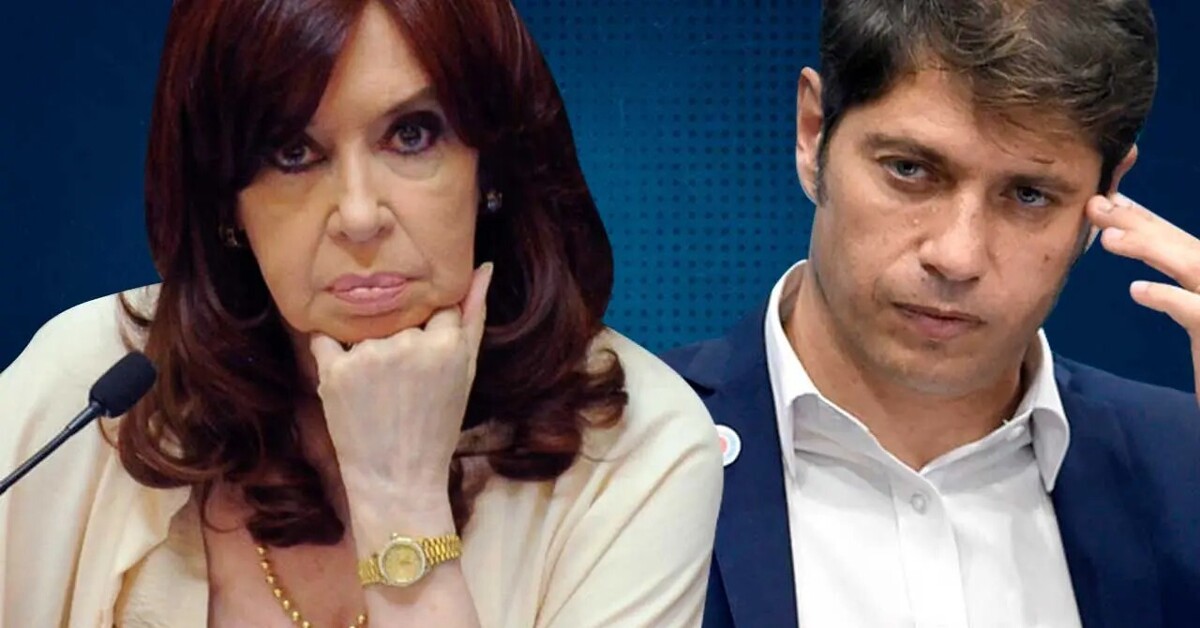
The 'Kirchnerism' imploded, and now, like a herd, it is beginning to forget the despotic finger with which Cristina Fernández governed it from 2010; radicalism is on its way to disappearing with the hand of Martín Lousteau; and Javier Milei is giving signs of having learned the art of politics.
The same happens in Uruguay, although Yamandú Orsi is trying to implement falsely progressive measures, for example in pension matters, which will put at risk many of the achievements of his predecessor, Luis Lacalle Pou; to worsen the panorama, violent drug trafficking has also appeared, which brings with it citizen insecurity.
Luiz Inácio Lula da Silva, after facing off with Trump, is now trying to rebuild that relationship, which has cost him the imposition of 50% tariffs.
President José Jari, who will govern until July 2026, seems to count, although he has a complicated past (accusations of sexual assaults and corruption), on a certain support motivated by the generalized weariness with anything that smells like politics.
The transitional calm in which we Argentines have lived since then allows me today to dedicate this column to our region and to the transcendent changes that are being produced and that, surely, will continue.
In Chile, on Sunday, the strong fall of the governing left was shown, represented by the communist Jeannette Jara and the unpopularity of President Gabriel Boric, questioned for his notorious economic failure and, above all, for his security policy, affected by drug trafficking and the persistent Mapuche terrorism.
"The only effective policy of that populist puppet, manipulated by the Cuban regime, was to buy his political supports at a very high price thanks to the oil manna".
Laurence Debray
The triumph as clear as unexpected of La Libertad Avanza in the legislative elections produced several effects in the opposition, in the proceeding of the officialism and even in the Judicial Power, which has perceived the new winds in the weathervanes that crown the building of Comodoro Py.
And the huge port that China is building in Chancay, which will also allow exporting Brazilian products, will generate a great economic activity and will improve the standard of living of its population.
In Colombia, Gustavo Petro is very complicated by his frank confrontation with Donald Trump, who has applied strong tariff sanctions, for his silent support for the bloody tyrant Nicolás Maduro, and for the expansion of coca crops that generate new armed clashes between the narco-terrorist bands that scourged his country for half a century and that today find sanctuaries in Venezuelan territory by the work and grace of his ally, the Cartel of the Suns.
Paraguay has become a great magnet for foreign investments due to its lax tax policies, and, at least for now, it does not seem that it is going to change its political situation.
— committed a tactical error since all of them were rejected by society, something that would not have happened had they been voted on one by one.
If we remember how many dramatic changes in the world the Arab Spring brought about, it is justified that we pay attention to this issue in the immediate future.
Everything indicates that in the runoff, on December 16, José Antonio Katz will be the winner, since his followers will vote for him Axel Kaiser, Evelyn Matthei and many of those who accompanied Franco Parisi, the outsider who reached an unexpected 20%.