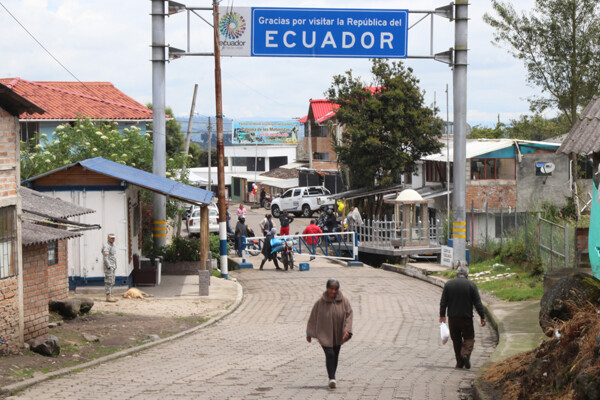
Diplomatic and trade tension between Ecuador and Colombia has escalated to critical levels following Ecuadorian President Daniel Noboa's announcement to impose a 30% security tariff on all Colombian products starting next February 1. This measure, which has created uncertainty at the Rumichaca border crossing, is based on what Quito calls a "lack of co-responsibility" on Bogotá's part in controlling the common border, a strategic corridor for cocaine trafficking to Pacific ports.
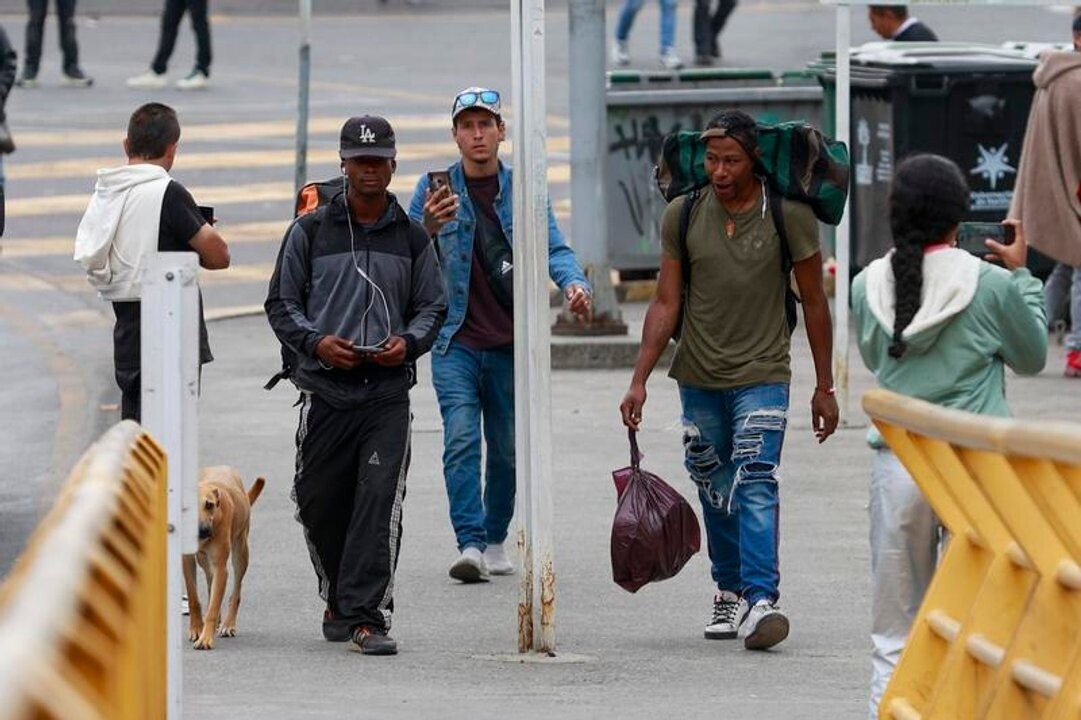
Border Conflict Timeline January 21: Noboa announces the tax, arguing that Ecuador bears the sole costs of the war on drugs. January 24: An unusual flow of migrants and traders is recorded at the Rumichaca international bridge, attempting to anticipate the tariff's entry into force.
Commercial Impact: Colombia is one of Ecuador's main trading partners; the measure would primarily affect the cosmetics, processed foods, and textile sectors.
President Noboa, who maintains Ecuador under an "internal armed conflict" regime, justified the tax as a source of funding for military equipment.
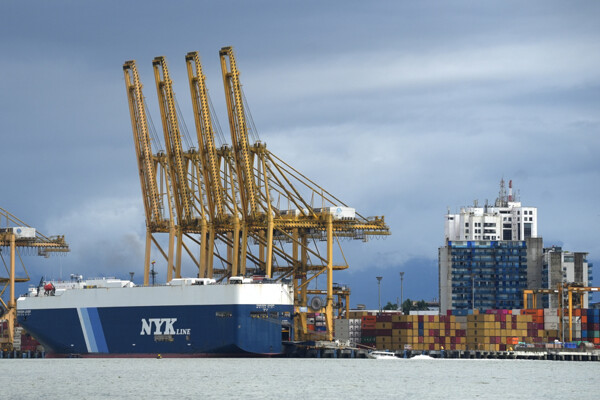
According to Ecuadorian intelligence, 80% of the drugs leaving through the port of Guayaquil enter through the northern border, which has turned provinces like Carchi into high-danger zones.
While governments attempt to establish a technical dialogue table, the Rumichaca Bridge remains under reinforced surveillance, serving as a thermometer for bilateral relations going through their coldest moment in years.